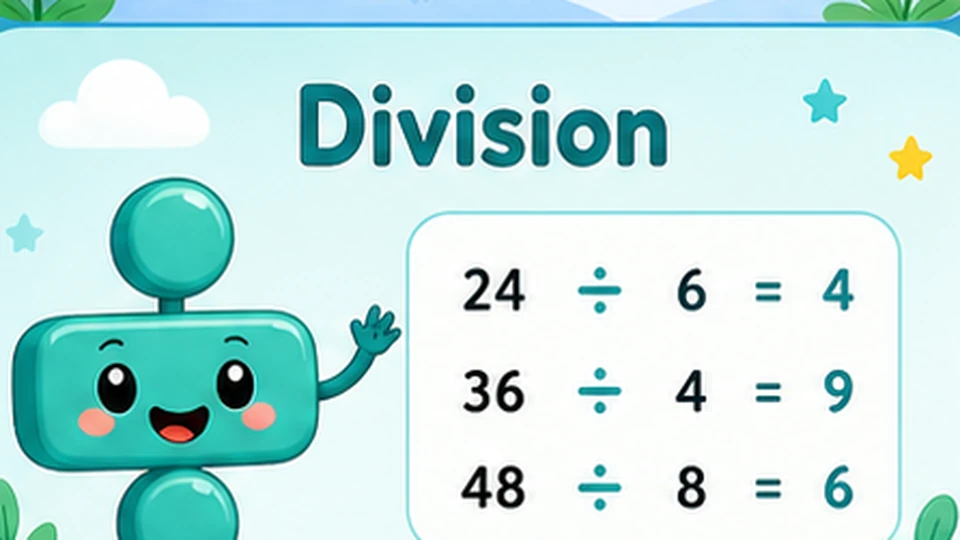
Effective Division Worksheets for Grade 3: A Complete Guide
Explore effective division worksheets for Grade 3 with expert guidance from the iBloom Curriculum Team. Improve math skills today.

Start with the Matching Practice
Use this guide with a direct iBloom worksheet or lesson so children can move from reading the explanation into real practice.
Introduction
Division worksheets for Grade 3 are a cornerstone in developing foundational math skills, offering a structured path to understanding division concepts. According to the National Council of Teachers of Mathematics, engaging students with practical and interactive methods significantly enhances their learning outcomes. In my 15 years as an educator, I've observed that children thrive when they can connect math concepts to real-world scenarios. iBloom's division worksheets are designed to do just that, providing interactive and adaptive learning experiences that cater to individual student needs.
As a parent or teacher, you might recall moments when your child or student struggled with the concept of sharing equally or dividing objects among friends. Division can be a challenging concept for young learners, but with the right tools and guidance, it can transform from a stumbling block into a stepping stone for future math success. One of the key benefits of using iBloom's division worksheets is their ability to adapt to each child's learning pace, ensuring that no student is left behind.
For those interested in expanding their teaching toolkit, our interactive digital worksheets for Grade 3 offer a rich array of exercises designed to engage and challenge students. Additionally, our SpellBee spelling game provides a fun and interactive way to strengthen vocabulary, complementing the mathematical learning journey.
Understanding Division in Grade 3
Importance of Basic Division for Kids
Basic division is a critical skill for Grade 3 students, laying the groundwork for more advanced math concepts. Research from the U.S. Department of Education emphasizes the importance of early math intervention, noting that students who grasp division early on are better prepared for future academic challenges.
To illustrate this, consider a classroom where students use manipulatives to visualize division problems. By physically grouping and regrouping objects, students gain a concrete understanding of how division works. This hands-on approach helps demystify the abstract nature of division, making it more relatable and easier to grasp.
Strategies for Teaching Division
One effective strategy for teaching division is using storytelling to explain the concept of sharing equally. For instance, a teacher might tell a story about a group of friends sharing a basket of apples, prompting students to think about how to divide the apples equally among the friends. This method not only captures students' attention but also reinforces the idea of division as an everyday occurrence.
| Strategy | Description | Example | Source |
|---|---|---|---|
| Manipulatives | Use physical objects to illustrate division | Dividing 12 blocks into 3 groups | NCTM |
| Storytelling | Use narratives to explain division | Sharing apples among friends | NAEYC |
| Visual Aids | Use charts and diagrams | Division fact families chart | Reading Rockets |
| Interactive Games | Use digital tools for practice | iBloom's division games | iBloom |
| Real-Life Scenarios | Apply division to everyday tasks | Dividing snacks at a party | U.S. Department of Education |
Creating Engaging Division Worksheets
Designing Worksheets for Maximum Engagement
Creating engaging division worksheets involves incorporating a variety of activities that cater to different learning styles. Visual learners benefit from worksheets that include diagrams and visual aids, while kinesthetic learners thrive with activities that involve movement or interaction. For auditory learners, incorporating stories or rhymes related to division concepts can be particularly effective.
To create a well-rounded worksheet, consider including a mix of problems that require different levels of cognitive engagement. Start with simple division problems and gradually increase the complexity as students become more comfortable with the concepts. This scaffolded approach ensures that students build confidence as they progress through the material.
Incorporating Sharing Equally Activities
Sharing equally activities are essential for helping students understand the practical applications of division. These activities can be as simple as dividing a set of objects into equal groups or more complex tasks that involve dividing quantities in real-life scenarios.
- Fruit Basket Division: Give students a basket of fruits and ask them to divide it equally among a group of friends. This activity reinforces the concept of equal sharing and provides a hands-on learning experience.
- Classroom Supplies: Use classroom supplies like pencils or erasers for division practice. Ask students to divide these items among their classmates, promoting teamwork and collaboration.
- Interactive Games: Incorporate digital games that focus on division, such as those available on the iBloom platform, to provide an engaging and interactive learning experience.
- Real-Life Scenarios: Encourage students to think about division in everyday contexts, such as dividing a pizza among family members or sharing a box of crayons in art class.
- Peer Teaching: Pair students together and have them teach each other division concepts, fostering communication and reinforcing their understanding.
- Creative Storytelling: Ask students to create a story involving division, such as a tale of pirates dividing treasure, to spark imagination and deepen comprehension.
- Math Journals: Encourage students to keep a journal of their division learning experiences, reflecting on challenges and successes.
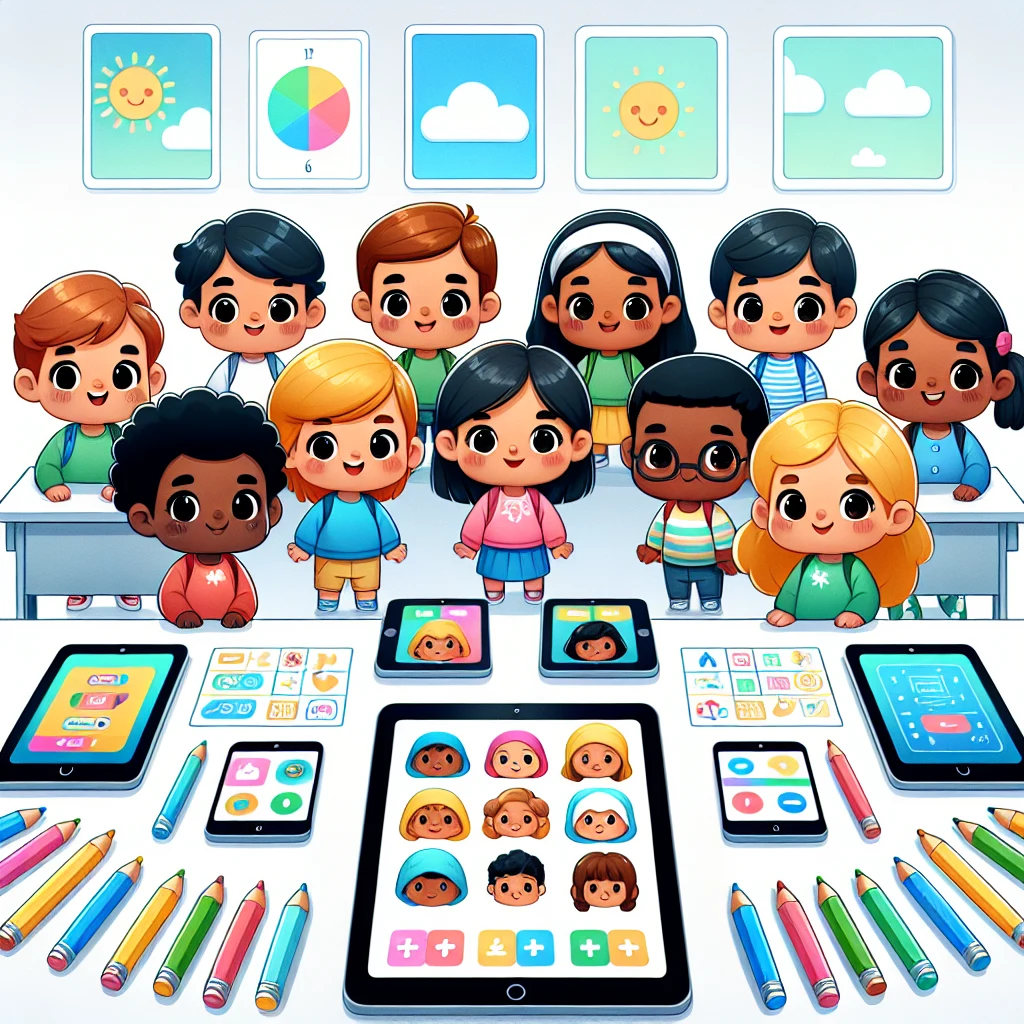
Incorporating Technology in Division Learning
Benefits of Technology in Math Education
The integration of technology into math education offers numerous benefits, including increased student engagement and personalized learning experiences. According to a 2025 study by the Institute of Education Sciences, technology-enhanced learning environments can significantly improve students' math performance by providing immediate feedback and adaptive learning paths.
In my experience, students are more motivated and eager to learn when technology is part of the equation. Digital tools such as interactive worksheets and educational apps make learning more dynamic and accessible, allowing students to practice division concepts at their own pace.
Tools for Enhancing Division Skills
A variety of digital tools are available to enhance division skills, each offering unique features and benefits. iBloom's interactive division worksheets are designed to adapt to each student's learning level, providing tailored exercises that challenge and engage learners. Additionally, platforms like Khan Academy offer comprehensive video tutorials and practice exercises that support division learning.
- iBloom Interactive Worksheets: Adaptive worksheets that progress with the student's learning level, ensuring appropriate challenge and support.
- Khan Academy Videos: Free educational videos that explain division concepts in an easy-to-understand format.
- Math Games Apps: Engaging apps that turn division practice into a fun and interactive experience.
- Online Quizzes: Instant feedback quizzes that help students identify areas for improvement and track progress.
- Virtual Manipulatives: Digital tools that allow students to explore division concepts through interactive simulations.
- Educational YouTube Channels: Channels that offer creative and engaging math tutorials, making division concepts accessible and entertaining.
- Math Podcasts: Audio resources that explain math concepts in a storytelling format, ideal for auditory learners.
Real-World Applications of Division
Everyday Scenarios for Division Practice
Applying division concepts to real-world scenarios helps students understand the relevance and importance of math in everyday life. Encouraging students to think about division in terms of common experiences, such as sharing snacks or dividing tasks, makes the subject more relatable and engaging.
For example, consider a scenario where students are tasked with planning a class party. They must divide the budget for snacks, decorations, and activities, requiring them to apply division skills to ensure everything is fairly distributed. This exercise not only reinforces division concepts but also promotes important life skills such as budgeting and planning.
Classroom Activities for Division Mastery
Incorporating division activities into the classroom routine helps solidify students' understanding and build confidence in their math abilities. Here are some effective classroom activities for mastering division:
- Group Projects: Divide the class into small groups and assign tasks that require collaborative problem-solving and division.
- Division Relay Races: Organize a relay race where students solve division problems at each station, combining physical activity with math practice.
- Creative Arts Integration: Incorporate division into art projects, such as creating symmetrical designs or dividing materials for collaborative artworks.
- Cooking and Baking: Use cooking activities to teach division, such as dividing ingredients for recipes or portioning out servings.
- Math Scavenger Hunts: Design a scavenger hunt where students solve division clues to find hidden treasures around the classroom.
- Peer Teaching Sessions: Encourage students to teach division concepts to their peers, reinforcing their understanding and building confidence.
- Role-Playing Games: Create role-playing scenarios where students must use division to solve problems and make decisions.
- Interactive Whiteboard Activities: Use interactive whiteboards to display division problems and encourage students to solve them collaboratively.

Overcoming Challenges in Division Learning
Common Difficulties and Solutions
Division can be a challenging concept for many students, often leading to frustration and disengagement. Common difficulties include understanding the relationship between division and multiplication, interpreting remainders, and visualizing division problems.
To address these challenges, educators can employ a variety of strategies, such as using visual aids, incorporating games, and providing real-world examples. For instance, using a number line to illustrate division problems can help students visualize the concept and understand how division relates to repeated subtraction.
“Research from Reading Rockets shows that using visual aids and manipulatives in math instruction significantly improves student understanding and retention.”
Strategies for Supporting Struggling Students
Supporting struggling students requires patience, creativity, and a tailored approach. Here are some strategies to help students overcome division challenges:
- Differentiated Instruction: Tailor lessons to meet the diverse needs and learning styles of students, providing additional support where needed.
- Peer Support: Encourage peer tutoring and collaborative learning, allowing students to learn from and support each other.
- Frequent Feedback: Provide regular feedback and encouragement to help students identify and overcome areas of difficulty.
- Small Group Instruction: Use small group sessions to provide targeted instruction and support for students who need extra help.
- Flexible Grouping: Group students by ability or learning style for specific activities, ensuring they receive the appropriate level of challenge and support.
- Scaffolded Learning: Break down division concepts into smaller, manageable steps, gradually increasing complexity as students gain confidence.
- Real-World Connections: Relate division problems to real-life situations, making them more meaningful and engaging for students.
Future Trends in Division Education
Emerging Trends and Technologies
As we look towards 2026 and beyond, emerging trends and technologies promise to transform division education and enhance learning experiences for students. One key trend is the integration of artificial intelligence (AI) in personalized learning, which allows educators to tailor instruction to each student's unique needs and learning pace.
According to a 2026 report by the Institute of Education Sciences, AI-powered learning platforms can significantly improve student outcomes by providing adaptive learning paths, real-time feedback, and personalized practice exercises. These platforms also offer valuable insights for educators, helping them identify areas where students may need additional support or enrichment.
Preparing for the Future of Education
To prepare for the future of division education, educators and parents must embrace new technologies and teaching methods that promote active, personalized learning. Here are some recommendations for staying ahead of the curve:
- Embrace AI: Explore AI-powered learning platforms like iBloom that offer adaptive and personalized division practice.
- Stay Informed: Keep up with the latest research and trends in education, attending conferences and workshops to expand your knowledge.
- Foster Digital Literacy: Teach students to navigate digital tools and resources responsibly, preparing them for success in a technology-driven world.
- Promote Lifelong Learning: Encourage a growth mindset and a love of learning, helping students develop the skills they need to adapt to future challenges.
- Collaborate with Peers: Work with fellow educators to share best practices and innovative teaching strategies, fostering a collaborative and supportive learning community.
Frequently Asked Questions (Schema Optimized)
What are effective division worksheets for Grade 3?
Effective division worksheets for Grade 3 focus on basic division concepts and provide interactive activities to enhance understanding. Explore our interactive worksheets.
How can I introduce basic division to kids?
Introduce basic division through everyday scenarios and interactive activities that involve sharing equally, supported by research from Reading Rockets.
What are the benefits of using division worksheets?
Division worksheets improve problem-solving skills, reinforce math concepts, and provide structured practice, leading to better retention and understanding.
Are division worksheets age-appropriate for Grade 3?
Yes, Grade 3 division worksheets are designed to match the cognitive and developmental levels of 8-9-year-old students, making them age-appropriate and effective.
How do I measure progress with division worksheets?
Track progress through regular assessments and diagnostic tests, such as those offered on our Assessments & Diagnostics page.
What challenges might arise with division worksheets?
Common challenges include understanding division concepts and maintaining engagement. Overcome these with interactive elements and real-world applications.
Conclusion
Division worksheets for Grade 3 play a crucial role in developing essential math skills, offering structured and engaging practice that prepares students for future academic success. The iBloom Curriculum Team recommends incorporating a variety of teaching strategies, including interactive worksheets, real-world applications, and technology integration, to create a comprehensive and effective learning experience.
As we look towards the future of education, embracing emerging technologies and personalized learning approaches will be key to fostering student success in division and beyond. Start your journey with iBloom today by starting a free trial and explore the wealth of resources available to support your child's learning.
Practice This Skill Next
After reading this guide, children can practise the same skill on iBloom. Start with interactive digital worksheets for Grade 3, then ask the child to explain one answer before moving on.
Related practice
Practice this topic
Continue with a lesson, generator, or printable worksheet.