


About this worksheet
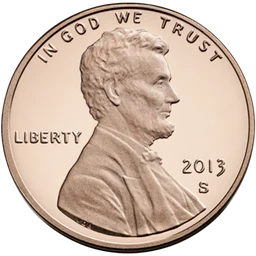
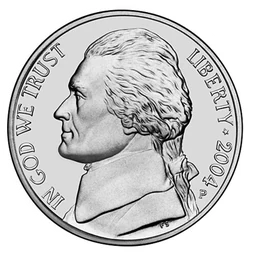
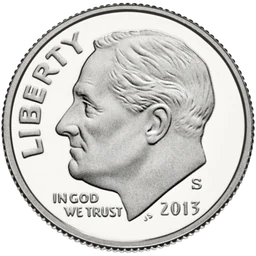
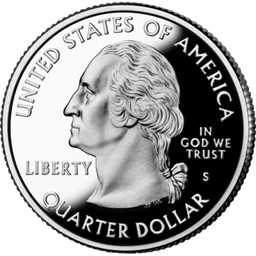
This Kindergarten printable gives children practice connecting prices with familiar US coin values. Four snack pictures pair prices of 1¢, 5¢, 10¢, and 25¢ with a penny, nickel, dime, or quarter. Four fill-ins review coin values, four short answers name coins, and two choices compare amounts. The separate answer key lists every response.
Which coin matches each snack price?
The first four items pair snack pictures with a price. Choose the coin name whose value matches the amount.
- 1A cookie costs 5¢.
- 2A nickel is worth 5¢, so choose nickel.
How can a learner check a coin choice?
Say the number of cents first, then recall the matching coin name. The page practices penny at 1¢, nickel at 5¢, dime at 10¢, and quarter at 25¢.
What is included in the printable?
Four pictured choices begin the sheet. Four value fill-ins and four coin-name responses follow, then two amount comparisons. The separate key gives one response for every question.
How to use this worksheet
- 1Name the pictured snack and read its price.
- 2Say the number of cents.
- 3Recall the matching coin name or value.
- 4Write a short response for the remaining items.
Coin value reminders
The mistake
Mixing up a nickel and a dime.
The fix
Say the values aloud: nickel is 5¢ and dime is 10¢.
The mistake
Choosing a quarter for every larger price.
The fix
Check the printed cents before choosing.
The mistake
Using coin size as the only clue.
The fix
Use the coin name and its taught value.
What to practice next
Make more practice
Questions parents and teachers ask
What coin values appear?
The worksheet uses four familiar US coin values: penny 1¢, nickel 5¢, dime 10¢, and quarter 25¢. Four snack pictures show those prices, and later questions review the coin names and values. Children can say each value aloud before writing.
How many questions are included?
There are 14 questions. The first four pair a snack picture with a price and ask for the matching coin. Four fill-ins review values, four short answers name coins, and two choices compare amounts. A separate answer key lists the response for every question.
Do children add several coins?
No. The first four items ask for one coin that pays the listed price exactly. For example, a 10¢ snack matches one dime. Later items review coin values, name coins, and compare two amounts. The answer key can help check each one.
Why are food pictures included?
Four snack pictures make the price-matching examples feel like simple shop choices. Each picture has a printed price, so children can focus on connecting that number of cents to a coin. Other items use short text prompts to review the same coin values.
How can I help a child who mixes up coin names?
Review each coin name with its value: penny, one cent; nickel, five cents; dime, ten cents; quarter, twenty-five cents. Then read a snack price and ask which single coin has the same value. Repeat with the short response questions.